
How Routine Vacant-Unit Checks Help Protect Dubai Rental Properties
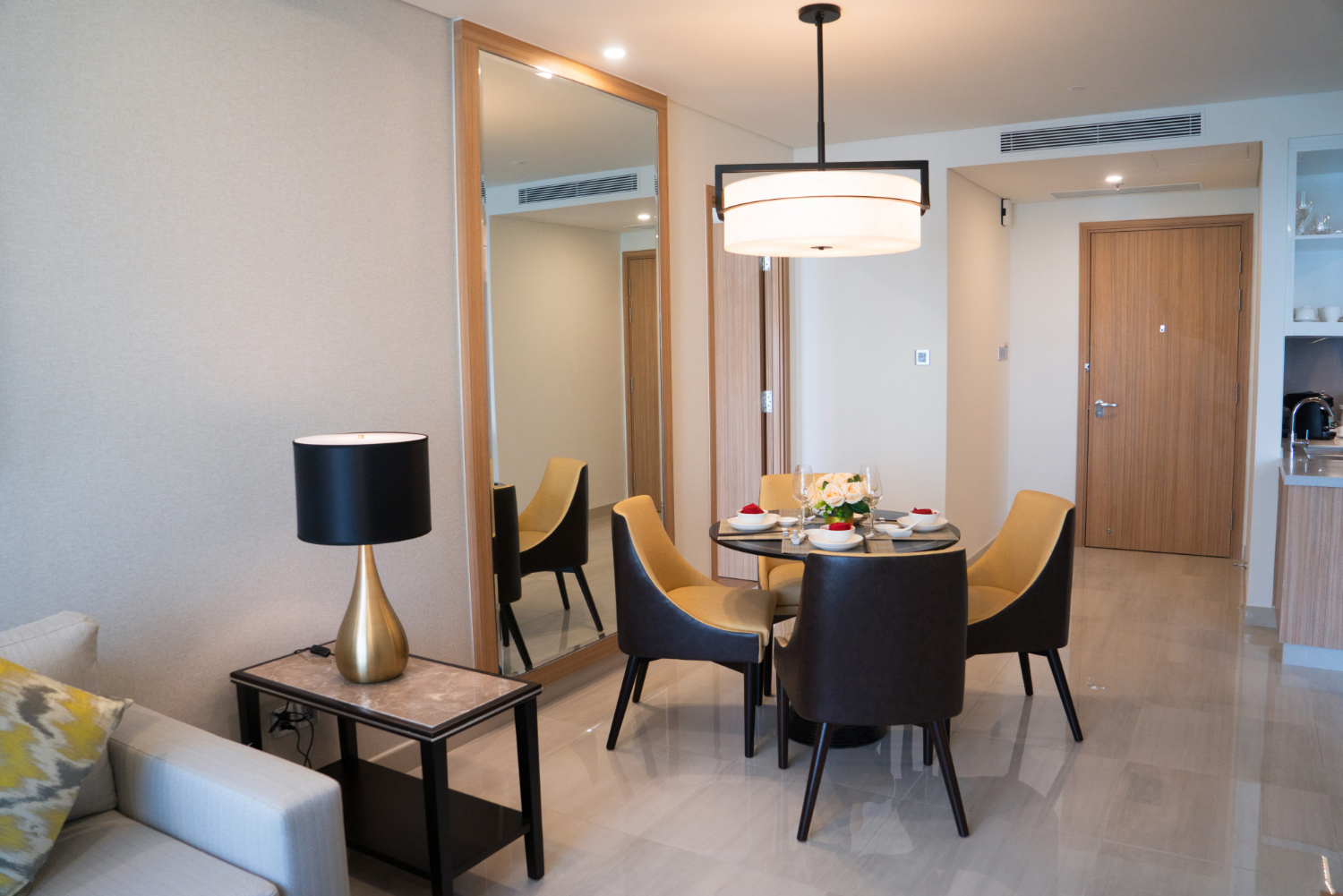
A vacant rental property can appear low-maintenance because no tenant is living in it. In practice, the absence of daily occupancy can allow small problems to remain unnoticed for longer.
A slow leak may continue without anyone reporting it. An air-conditioning issue may only become obvious
when the property is prepared for a viewing. Dust can build up, drains can develop odors, appliances can
sit unused, and building notices or access changes may be missed. In villas, outdoor areas and landscaping may also deteriorate between visits.
Routine vacant-unit checks give landlords a way to identify these issues early. For Dubai property owners, particularly those who live overseas, scheduled inspections create visibility during periods when the property would otherwise have very little day-to-day oversight.
Vacancy Does Not Mean the Property Stops Changing
Properties continue to age and respond to their environment even when no one is inside them.
Dubai's heat, humidity, dust, and long periods of air-conditioning demand can affect interiors, seals, finishes, equipment, and mechanical systems. Plumbing components can still leak. Batteries can fail. Dust can accumulate around vents and tracks. Outdoor areas continue to face sun and weather exposure.
A vacant unit can therefore move from 'ready to lease' to 'needs work' without a dramatic event. Routine checks help landlords see those changes before they become larger problems.
Check for Water Leaks and Moisture Signs
Water-related issues are among the most important things to look for in a vacant property because there may be no occupant to notice them quickly.
During a routine check, inspect under sinks, around toilets, near water heaters, beneath visible pipe connections, around washing-machine connections, and in areas where leaks have occurred previously.
Look for staining, swelling, discoloration, unusual odors, or dampness.
If a problem is found, the priority should be to stop further damage and arrange an appropriate assessment rather than simply cleaning the visible symptom.
Repeated moisture in the same location may indicate an underlying issue that requires a more detailed investigation.
Review Air-Conditioning and Ventilation
Air-conditioning remains an important consideration even when a property is vacant. The correct approach will depend on the building, equipment, season, property type, utility status, and any instructions from facility management or specialist contractors.
Routine checks can confirm whether systems that are intended to operate are functioning normally and whether there are signs of condensation, unusual noise, water leakage, poor airflow, or abnormal odors.
Filters, drainage lines, thermostats, and visible AC components should be maintained according to the property's service plan. A vacant period can also be a convenient time to complete scheduled servicing without disrupting a tenant.
Inspect Plumbing Fixtures and Drains
Unused plumbing can still require attention.
Check taps, toilets, visible connections, and drainage points for leaks or deterioration. Where appropriate and safe, confirm that fixtures operate as expected and that drains do not show obvious signs of blockage or unpleasant odor.
If the property has a history of slow drainage or recurring plumbing issues, vacancy is a good time to investigate the cause because access is generally easier and repairs can be coordinated without working around a tenant's schedule.
Look for Dust, Pest Activity, and General Deterioration
Vacant homes can accumulate dust quickly, especially around windows, doors, vents, balcony tracks, and unused rooms.
Inspections should also look for signs of pest activity, damaged seals, gaps, or other conditions that may require attention. Any pest treatment should be handled by an appropriate service provider and, where necessary, coordinated with building or community management.
General deterioration matters too. Peeling paint, loose fittings, damaged silicone, sticking doors, failed lights, and small finish defects are easier to address when identified early.
Confirm Doors, Windows, Locks, and Access
A vacant-unit check should include basic access and security verification.
Confirm that external doors and accessible windows close correctly, locks operate normally, and keys or access cards are accounted for. If contractors, cleaners, brokers, or other service providers have been given temporary access, their access should be recorded and recovered or deactivated when it is no longer needed.
For apartment buildings, access systems and community procedures can change. Keeping access details current helps prevent delays when a viewing, inspection, or maintenance visit needs to be arranged.
Review Balconies and Outdoor Areas
Balconies, terraces, gardens, and villa outdoor areas should not be excluded simply because the interior is vacant.
Look for blocked drainage, accumulated debris, damaged outdoor furniture, deteriorated grout or seals, lighting problems, irrigation issues, and visible changes in walls or finishes.
Outdoor areas often influence a prospective tenant's first impression, so keeping them maintained also supports listing readiness when the property returns to market.
Check Appliances and Landlord-Provided Equipment
If a property is offered with appliances or furnishings, vacancy checks should include those assets as well.
A refrigerator, washing machine, oven, water heater, television, or other item may develop a fault while unused or may reveal a previous issue only when it is tested again. Follow manufacturer guidance and appropriate safety procedures when checking equipment.
Document any problems and connect them to the property's asset history. That makes it easier to decide whether servicing, repair, or replacement should be arranged before the next tenancy.
Keep the Property Ready for Viewings
Routine checks are not only about preventing damage. They also help preserve leasing readiness.
A property that sits vacant for several weeks can become dusty, stale, or visually neglected. Minor defects that would have taken one visit to resolve can accumulate into a longer preparation list just as a strong prospective tenant appears.
By checking the property periodically, landlords can keep cleaning, maintenance, lighting, access, and presentation under control. This reduces the amount of last-minute work required before viewings or a new move-in.
Use a Consistent Inspection Record
A vacant-unit visit should leave behind a clear record rather than only a verbal update.
A useful report may include:
- Date and time of the visit
- Name of the person who inspected the property
- Overall condition photographs
- Notes on AC, plumbing, lighting, doors, windows, and visible finishes
- Any signs of leakage, moisture, pests, or unusual odors
- Condition of balconies, terraces, or gardens
- Status of appliances and landlord-provided items where checked
- Keys or access items used during the visit
- Maintenance actions recommended
- Items to monitor at the next inspection
Photographic continuity is especially useful for overseas owners because it provides direct evidence of how the property is changing over time.
How Often Should a Vacant Property Be Checked?
There is no single inspection interval that suits every Dubai property.
Frequency should reflect the property's risk profile, age, location, previous maintenance history, whether utilities are active, whether the unit is being marketed, whether contractors are working inside, and any building, community, insurer, or owner requirements.
A property with a recent leak or active repair may need closer follow-up than a newly completed unit with no known issues. A villa with landscaping may also need different oversight from an apartment in a fully managed tower.
The important point is to define a schedule rather than leaving the property unchecked indefinitely.
Coordinate Checks With Building and Community Management
Property condition is not managed in isolation. Building and community teams may issue notices about maintenance, access procedures, pest control, fire-safety works, parking, facade activity, or scheduled shutdowns.
A local property manager can help keep track of those communications and coordinate access when action is required inside the unit.
This is particularly valuable for owners who are outside the country and may not be able to respond quickly to a building request.
How Professional Property Management Helps
Vacancy is often the period when professional oversight becomes most valuable because there is no tenant providing informal day-to-day observation.
Cordova Property Management supports Dubai landlords with property inspections, detailed photographic reporting, maintenance and vendor coordination, key holding, facility-management coordination, and re- marketing when a property becomes vacant.
That means issues can be identified, documented, and managed while the property is between tenancies instead of being discovered at the next handover.
A Vacant Property Still Needs Active Oversight
The safest assumption is not that an empty property will remain exactly as it was left.
Routine vacant-unit checks help landlords identify water issues, maintenance needs, access problems, deterioration, and presentation concerns while there is still time to respond calmly. They also keep the property closer to leasing-ready condition.
For owners who cannot visit regularly, a documented inspection routine provides something equally important: visibility.
If your Dubai rental property is vacant and needs ongoing oversight, Cordova Property Management can coordinate inspections, access, maintenance, reporting, and preparation for the next tenancy.
Related insights
Property management support
Professional Property Management Support
Cordova Property Management helps Dubai landlords protect property performance and long-term value.
Get Started Today